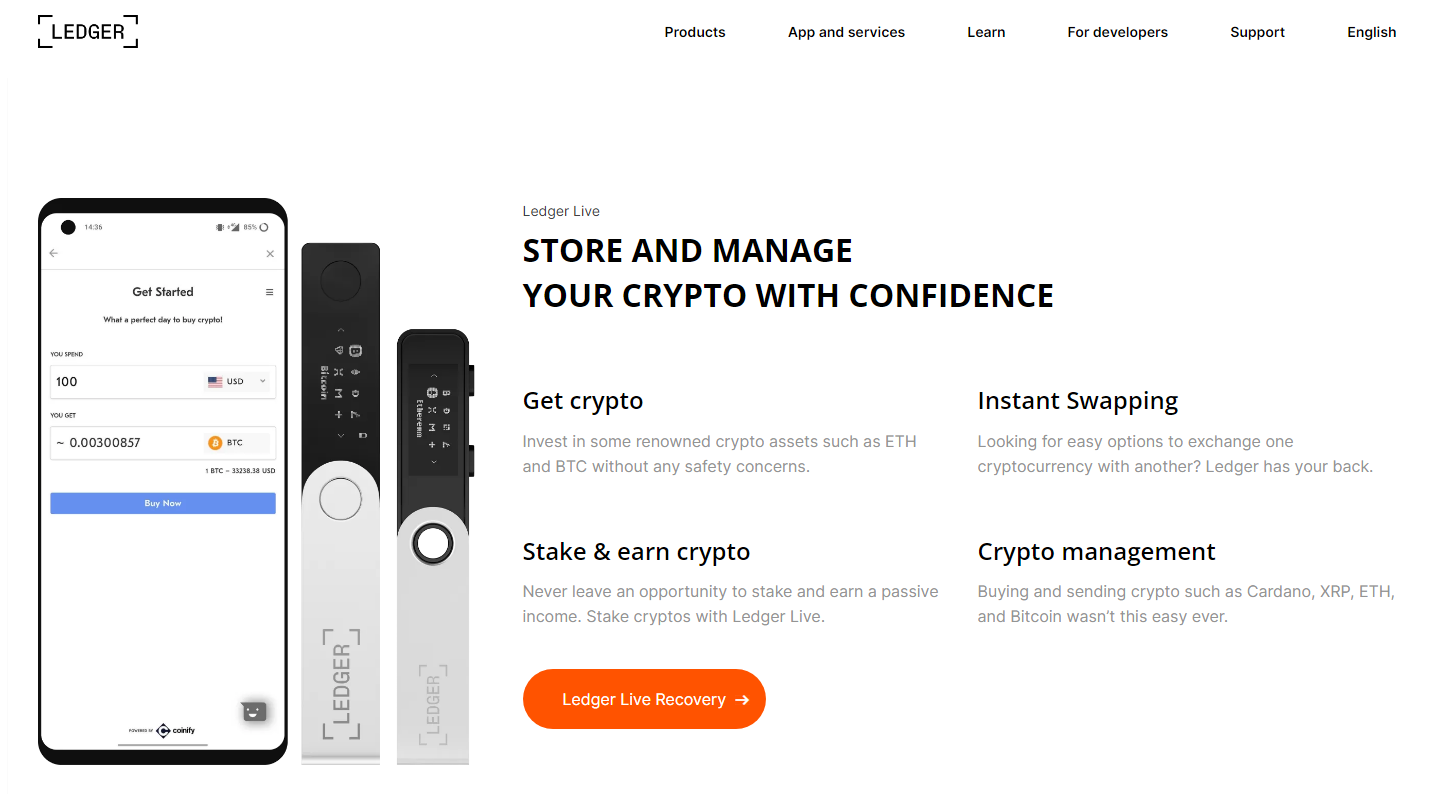
Managing cryptocurrency securely begins with controlling access. Unlike traditional banking systems, crypto relies entirely on the owner for security. There is no “reset my password” button and no central authority to reverse mistakes. Losing login access or exposing sensitive credentials can result in permanent loss of funds.
Ledger Login provides a secure entry point to the Ledger ecosystem, enabling users to safely manage their digital assets. It combines hardware-based security, verified software, and layered authentication to ensure that access is granted only to authorized users. This article explores Ledger Login in detail, covering its features, step-by-step workflows, security design, troubleshooting, and best practices.
Ledger Login is the authentication process that allows users to access their Ledger devices and Ledger Live software. It ensures that only the rightful owner can view balances, approve transactions, or manage blockchain applications.
Unlike traditional online accounts, Ledger Login is tied to your hardware wallet and never exposes your private keys. Key elements include:
Ledger Login is designed to combine security with usability, giving users complete control over their assets while minimizing risk.
Ledger Login relies on multiple layers of authentication. The exact workflow can vary depending on whether you are using Ledger Live, a web service, or the mobile app.
Ledger software first verifies that the connected device is genuine. This prevents unauthorized or counterfeit hardware from gaining access.
Users enter a PIN on the Ledger device. The PIN is never transmitted to the computer or software, ensuring it remains confidential.
If enabled, users enter a passphrase to unlock additional wallets associated with their device. Each passphrase can create a separate wallet, adding flexibility and privacy.
Ledger Live may request a local password to open the application, providing additional protection in case your computer is compromised.
Once authentication is complete, Ledger Login establishes a secure session with the hardware wallet, enabling portfolio management and transaction approvals.
Ledger Live is the primary interface for managing Ledger devices and assets. The login process is as follows:
Ledger Live ensures that every sensitive action is confirmed on the hardware device, protecting against malware or unauthorized access.
Ledger’s ecosystem includes web-based applications, such as NFT management or DeFi integrations. Logging in involves:
This model maintains Ledger’s security standards while allowing web-based interaction with blockchain assets.
Ledger Login incorporates multiple security layers to prevent unauthorized access:
Private keys are generated and stored exclusively on the Ledger device. They never leave the hardware wallet, even during login.
The combination of device PIN, optional passphrase, and Ledger Live password provides layered protection.
Login requests must be confirmed on the device, preventing web-based or malware-driven attacks from compromising your wallet.
Your recovery phrase remains offline and private, ensuring that only the owner can restore wallet access.
Ledger Live allows you to configure automatic logout to reduce the risk of unauthorized access when the device is unattended.
Even with a secure system, users may face challenges. Here are common problems and their solutions:
Ledger provides advanced features for enhanced security and convenience:
Ledger Login supports users managing multiple devices or accounts:
Businesses and high-value users can leverage Ledger Login to enhance security:
Ledger Login embodies the philosophy of self-custody:
This approach ensures that cryptocurrency ownership remains both autonomous and secure.
While Ledger devices can interact with third-party wallets, Ledger Login with Ledger Live provides:
For most users, Ledger Login offers a safer and more reliable experience than unofficial software.
Ledger Login is the gateway to secure cryptocurrency management. By combining hardware-based authentication, multi-factor security, and device-verified interactions, it ensures that only the rightful owner can access funds.